

FOMO, short for ‘ Fear of Missing Out ’, describes unease about missing information, an opportunity or an event considered important. Research and discussion expanded during the 2010s alongside social platforms and continuous notifications. Adults exposed to frequent online updates can experience it, particularly when feeds repeatedly highlight scarce products and other people's purchases.
Contents
FOMO is not a standalone clinical diagnosis. It describes psychological processes associated with social comparison, impulsive decisions and uncertainty. A person may feel pressure to remain connected or react immediately to avoid missing something important.
What FOMO describes
FOMO concerns a subjective fear of missing a socially valued activity or opportunity. Repeated comparison with others can increase the perceived value of something currently unavailable. Rapid information flows and visible status indicators can intensify this process.
Research descriptions commonly mention divided attention, difficulty delaying decisions and frequent checking. These behaviours are not necessarily problematic, but can become intrusive when fear repeatedly directs decisions.
Psychological and social factors
Comparing oneself with people perceived as better placed can increase a sense of falling behind. Digital platforms often amplify selected positive aspects of other people's lives.
Belonging and external approval can also influence behaviour. When an activity or possession becomes linked with recognition, missing it may create internal pressurethat is not always consciously recognised.
- Repeatedly checking social media or news platforms
- Difficulty ignoring time-sensitive information
- A sense of urgency around limited-time products
- Anticipated regret about not participating
Observable effects in adult life
In adults, FOMO may affect time, spending and attention. Quick decisions can temporarily reduce uncertainty while bypassing more considered assessment.
Some studies report an association between higher FOMO and cognitive fatigue. Frequent interruptions can interfere with sustained attention. Some people also report purchases they would not otherwise have made without time or social pressure.
Perceived scarcity and urgency signals
FOMO often interacts with perceived scarcity. A limited quantity or brief availability can increase perceived value. This technique is common in online retailand collecting communities.
Urgency signals include countdown timers and imminent sell-out notices, as well as posts displaying recent acquisitions. They can activate existing decision-making biases.
FOMO in the Pokémon-card market
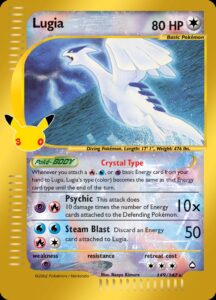
The Pokémon-card market provides examples of these FOMO-related behaviours. Adult collecting expanded substantially during the 2020s, combining nostalgia, scarce releases and social visibility with urgent purchasing decisions.
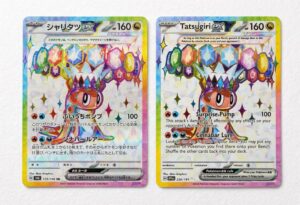
New-set announcements, limited distribution and rapid price changes can produce anxiety about missing a particular card. Selling platforms and pack-opening videos can reinforce that impression.
Collecting habits and community pressure
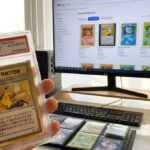
Pokémon-card value extends beyond gameplay to condition, professional grading and recognition among other collectors. Images of complete collections and high-grade cards encourage comparison.
Some collectors consequently buy products outside their original plan because they fear higher prices or disappearing stock. FOMO can therefore accelerate a purchase decision.
| Observed situation | Main trigger | Possible behavioural effect |
|---|---|---|
| A limited release | A restricted-print announcement | Immediate purchase without comparison |
| Rapid price increases | Resale posts | Fear of a higher future cost |
| Online pack-opening videos | Emphasis on rare pulls | More impulsive pack purchases |
Speculation and anticipation
Resale expectations can add pressure when buyers fear missing the right entry point. Such expectations may rely on incomplete signals, including rumours, forum trends and a few highly visible purchases.
Disappointment can follow if projected gains do not occur. Market movements show that not every card described as promising increases in value over time. Urgency can reduce attention to that uncertainty.
Limits and practical considerations
Collectors respond differently to FOMO. Some use planned purchases, defined budgets and clear criteria. Others focus on play or artwork, reducing the influence of scarcity-driven messages.
Repeated exposure to scarcity and performance narratives can gradually affect decisions. Recognising that pressure can support more deliberate choices without abandoning the hobby.
In Pokémon collecting, FOMO often comes from several small pressures rather than one isolated cause. Its impact depends on personal circumstances, available information and tolerance of uncertainty.