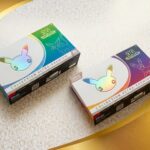


Ascended Heroes ME2.5 was released on 30 January 2026 as part of the Pokémon TCG. It features Mega Evolution Pokémon, alongside Trainer's Pokémon (Owner's Pokémon) linking familiar characters and their Pokémon.
Contents
Based on their artwork and collecting interest, four cards stand out in this selection. Some already attract considerable trading activity, while others may appeal to collectors following their future price development over the medium term. The selection concentrates on specific chase cards.
ME2.5: a special Pokémon set
Pokémon ME2.5: Ascended Heroes belongs to the special-set ‘.5’ format, a naming convention also used for sets such as 151, EV8.5 and EV10.5.

These special releases differ from main expansions in their product structure. In practice, that means :
- a different distribution structure from standard sets
- a concentration of familiar, sought-after Pokémon
- dedicated products such as ETBs, bundles, collection boxes, mini tins and multipacks
Pokémon ME2.5 combines material associated with Mega Evolution and Scarlet & Violet, including cards from both periods, providing continuity across different TCG eras.
A set aimed at collectors
Pokémon ME2.5: Ascended Heroes contains a substantial checklist with more than 295 cards in the international version, including cards beyond the main numbering.
- 13 Mega Evolution Pokémon ex
- six Tera Pokémon ex, together with 20 regular Pokémon ex
- 33 Illustration Rare Pokémon cards
- 14 Ultra Rare cards, covering Mega Evolution Pokémon ex, other Pokémon ex and Trainers
- seven additional Mega Attack Rare Mega Evolution Pokémon ex alongside previously introduced Mega Attack designs such as Mega Charizard X
- 22 Special Illustration Rare cards, including Mega Evolution Pokémon ex, other Pokémon ex and Supporters, with appearances such as Mega Gengar and Trainer-linked Grimmsnarl ex
Overall, Pokémon ME2.5 contains numerous alternative illustrations, Pokémon ex and cards followed by collectors. The range suits collections organised around artwork and set completion.

Four cards selected for their illustrations
The main practical constraint is price: some references require a substantial budget. Each selected card has a recognisable composition, with distinct visual choices that help explain collecting interest. These can suit an organised collection or a longer-term collecting plan, with resale outcomes remaining uncertain.
Mega Dragonite ex 290/217: a pastel composition
Rather than an aggressive dragon scene, this card uses a softer, airborne composition. Dragonite appears among Dratini and Dragonair, with its wings occupying much of the artwork.

Light effects, reflective areas and pastel pinks and blues contrast with the card's 370 HPwhile keeping the illustration readable.
Collecting and market considerations
The card attracts interest through its connection to the first generation and a visual style that appeals beyond established collectors. Raw and high-grade certified copies can occupy different price ranges. Top-grade examples may command substantially different prices from earlier Dragonite alternative illustrations.
Assessment
A candidate for an artwork-focused collection, with any resale plan dependent on purchase price and later demand. Dragonite receives prominent treatment in this illustration. Its appeal remains a matter of collecting preference.
Mega Gengar ex 284/217: a distinct graphic style
The artwork is dominated by neon purple, yellow and magentawithin a deliberately disrupted composition, including glitch-like effectsthat direct attention towards the Mega Evolution's third eye. Lower areas contain shapes resembling toxic material that reinforce Gengar's Ghost/Poison identity.

Collecting and market considerations
Gengar is among the Pokémon regularly sought by collectors , while this contemporary graphic style may appeal to those who prefer less conventional scenes. Graded copies can carry a substantial premium; condition remains important across the highly contrasted surfaces.
Assessment
The card may suit medium- or long-term collecting, but its resale value remains uncertain. Established interest does not mean a guaranteed gain.
Pikachu ex 276/217: a woodland illustration
This card replaces an action scene with a calmer setting. Pikachu appears in a forest, illuminated by light through the leaves, recalling sunlight filtering through a canopy. Detailed plants and controlled composition keep the scene readable.

Collecting and market considerations
Pikachu attracts broad collecting interest. This nature-focused version recalls some Japanese promotional illustrations appreciated by collectors. Higher grades can create significant price differences from raw copies. A PSA 10 copy may sell at a multiple of a raw copy's price, but future liquidity and resale amounts cannot be assumed.
Assessment
A possible selection for a long-term collection. Compared with some other characters, Pikachu reaches a broad audience.
Tera Pikachu ex 277/217: geometric artwork
This interpretation centres on the Tera style. Pikachu appears among clearly outlined, multicoloured geometric shapes, with pink and pale tones, transparency effects and a readily identifiable composition.

Collecting and market considerations
Pikachu remains widely collected, and this Tera illustration combines the character's familiarity with a graphic style that may appeal to different audiences. Higher-grade copies can command premiums, with the colourful surface making flaws easier to notice during condition assessment.
Assessment
A possible medium- or long-term collecting choice, subject to demand and available buyers on the secondary market. Its bright palette and graphic effects give Pikachu an energetic appearance.