
An evolution family can form a visual sequence
A card is often viewed alone in a listing or sleeve. Beside another illustration, it may suggest a progression: a growing Pokémon, deeper surroundings or an extended landscape. These images support that reading without relying on attack text to tell the story.
The commentary describes visible features and comparisons rather than an official chronology. References identify French cards; another illustration of the same Pokémon does not automatically replace a card in the sequence.
Bulbasaur, Ivysaur and Venusaur ex: growth among plants
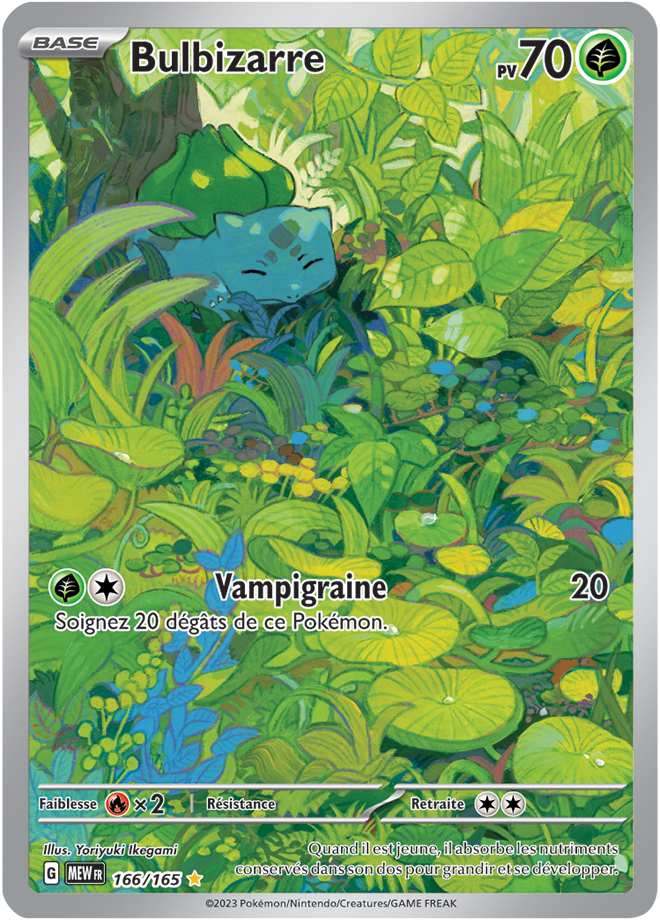
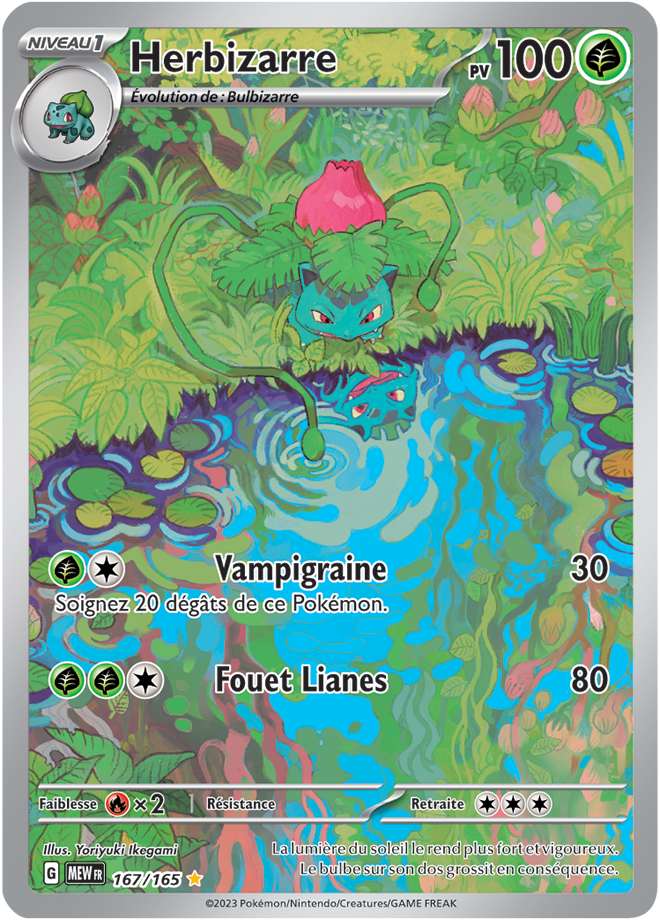
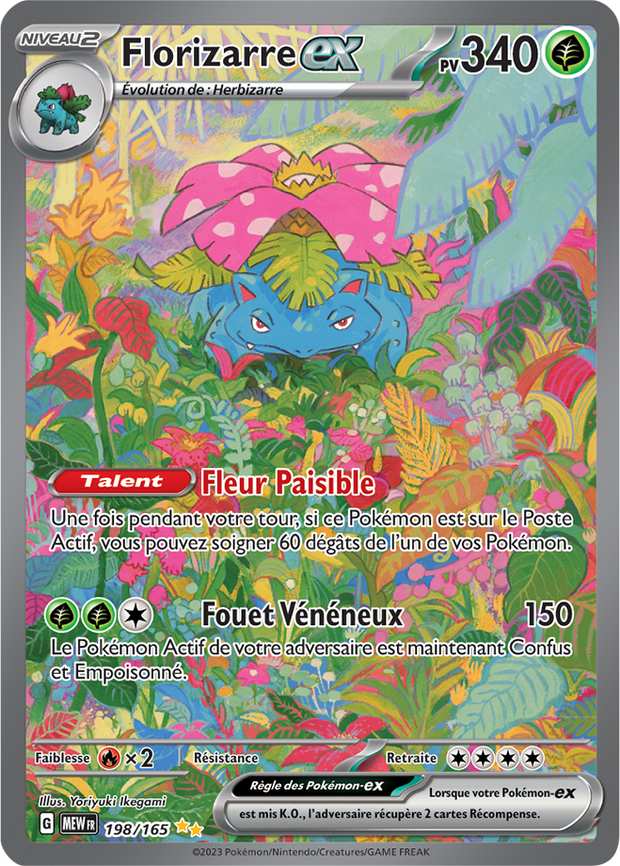
Bulbasaur 166/165 appears among leaves near water, small against the vegetation. Ivysaur 167/165 has a larger pink bud, while rings on the water guide the eye. Venusaur ex 198/165 closes the sequence with an open flower and a heavier body.
Green, blue and pink link the drawings. Together they emphasise evolution stages while each card retains its own composition. This is continuity of subject and colour, not a requirement for every edge to join like a jigsaw.
The official presentation of Pokémon 151 describes evolution families illustrated by the same artist. All three references in this selection credit Yoriyuki Ikegami. The complete 151 expansion gallery distinguishes them from the set's other Bulbasaur, Ivysaur and Venusaur cards.
Squirtle, Wartortle and Blastoise ex: from shore to deeper water
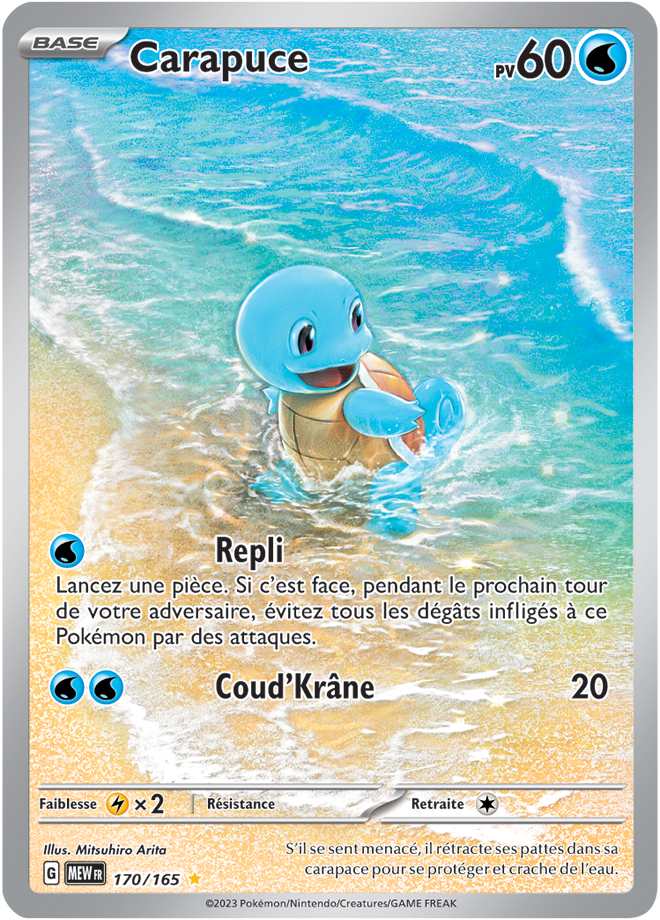
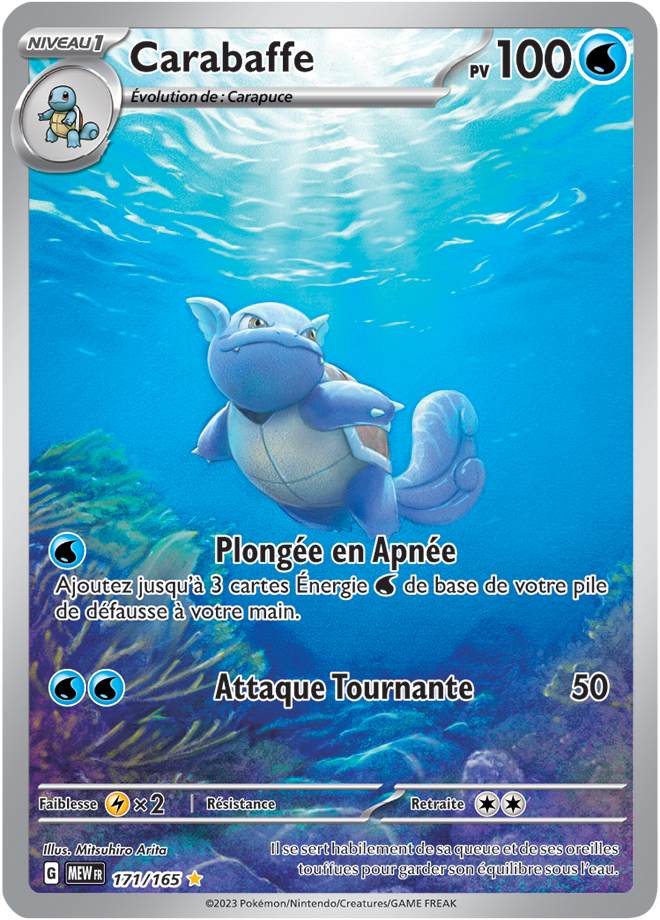
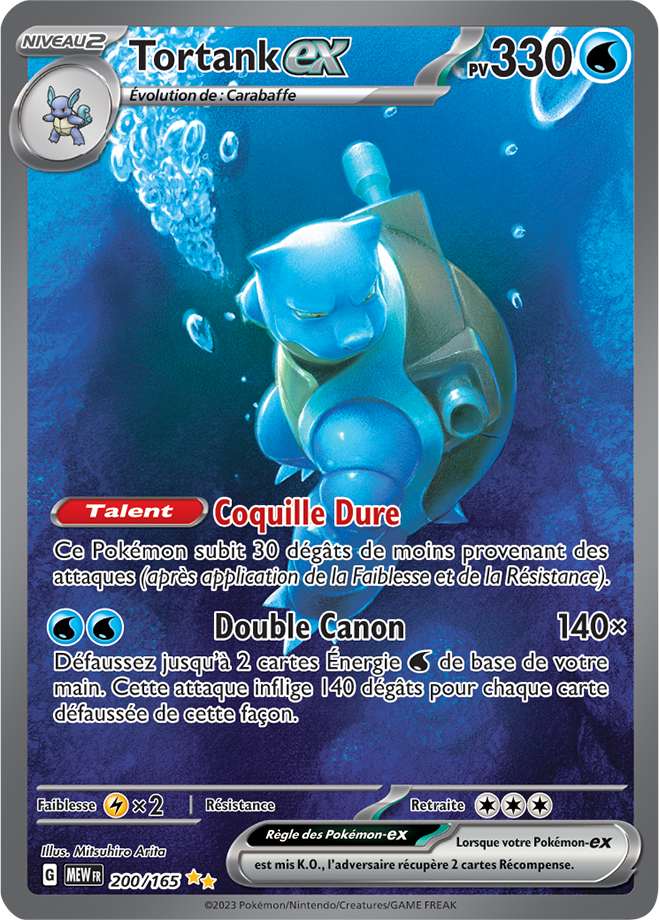
Squirtle 170/165 stands in shallow water beside a beach, with sand and small waves establishing the setting. Wartortle 171/165 swims below the surface where light still reaches. Blastoise ex 200/165 descends into darker water among bubbles.
The progression is clear: the viewpoint leaves the shoreline and moves underwater. Evolution accompanies changes in scale and lighting, with the early pale blue becoming deeper on Blastoise ex. All three cards credit Mitsuhiro Arita.
Crown Zenith: nine Pokémon sharing a landscape
Galarian Gallery cards GG26 to GG34 share a woodland scene with trunks, light and an opening towards the sky. The group illustrated by Kouki Saitou can be compared across three rows. Names and numbers remain below each card to prevent confusion with other editions.
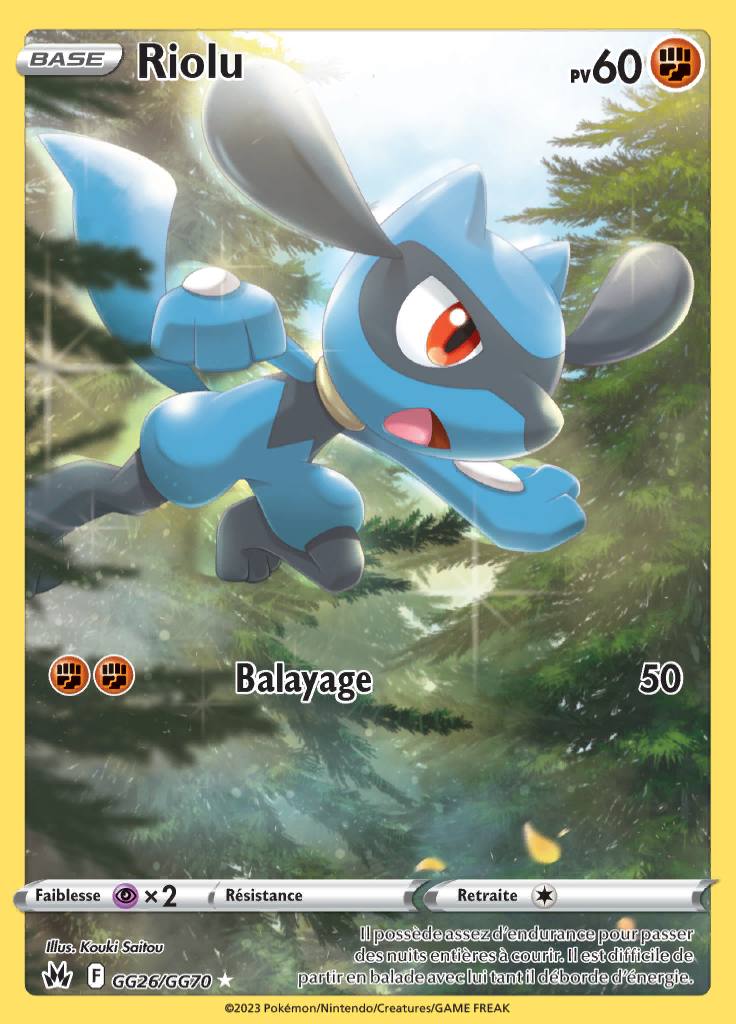
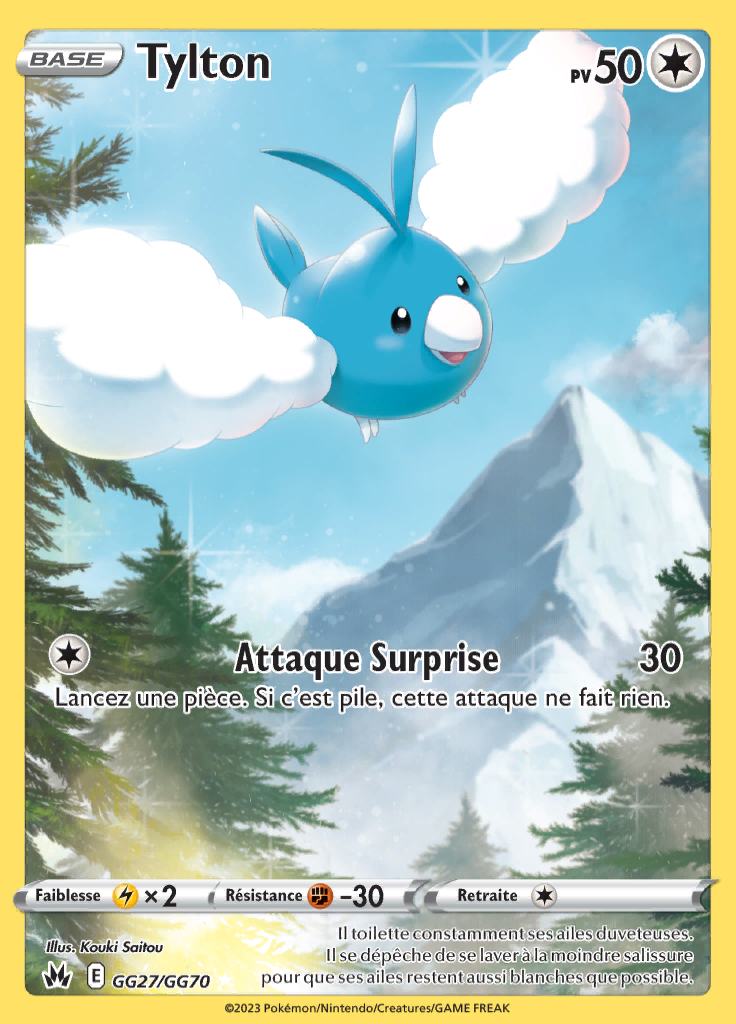
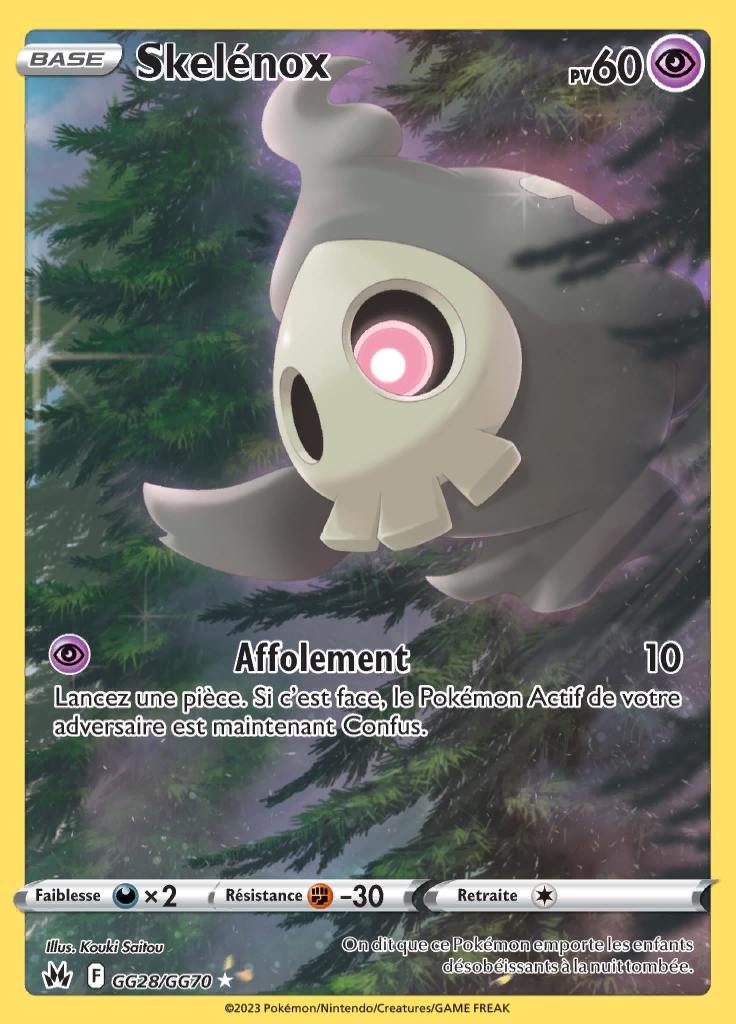
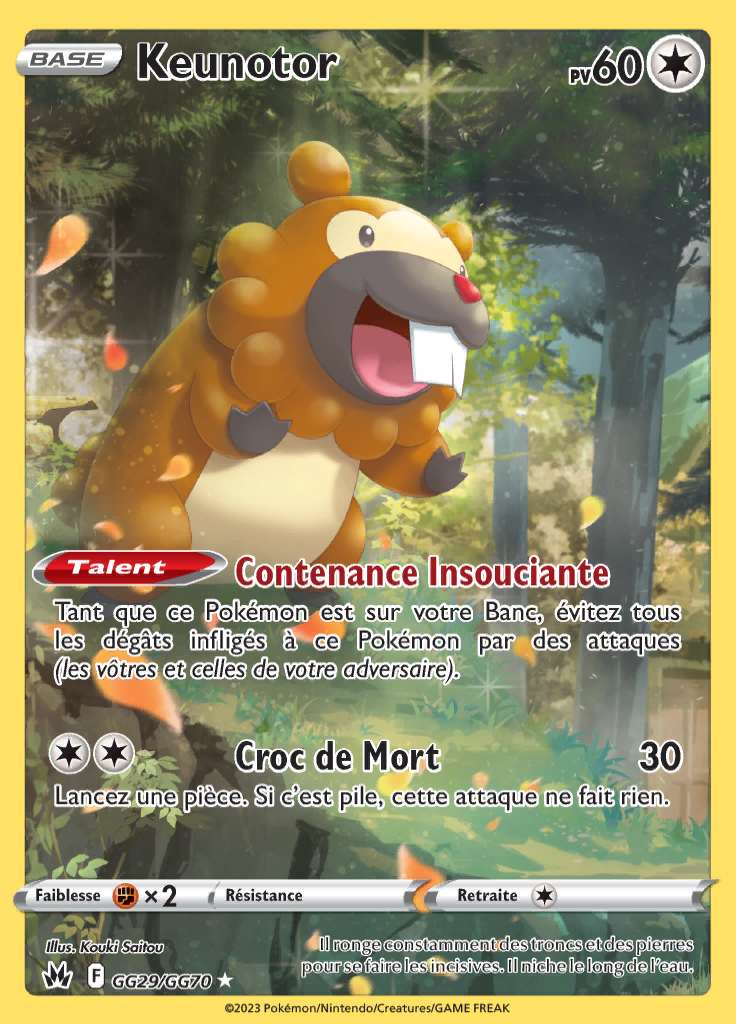
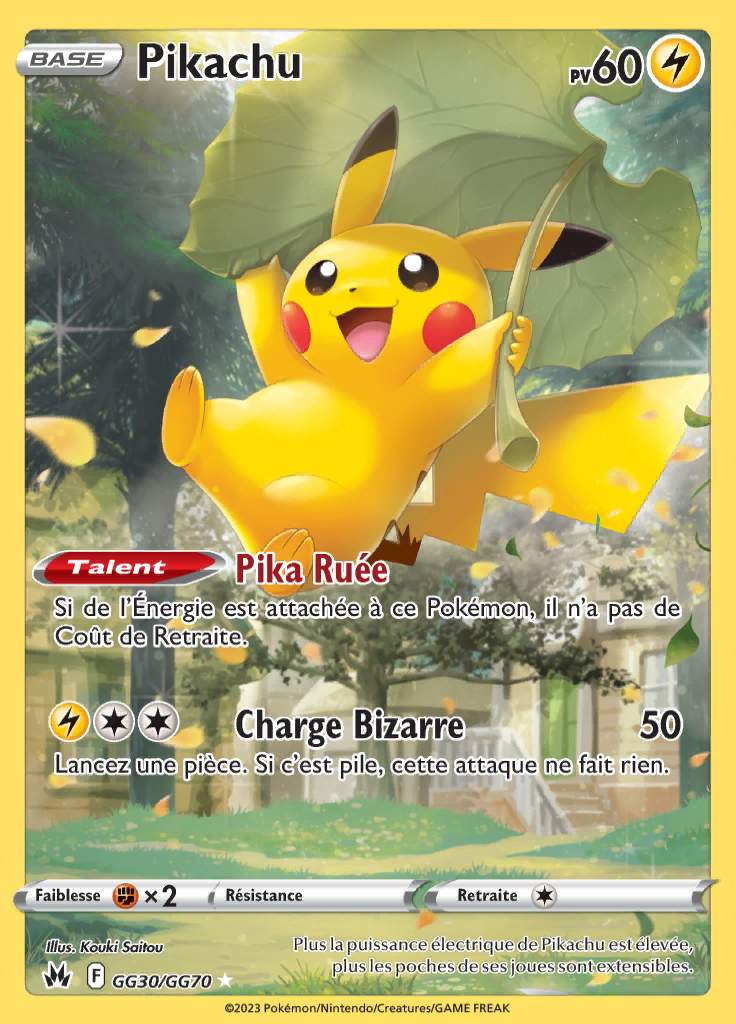
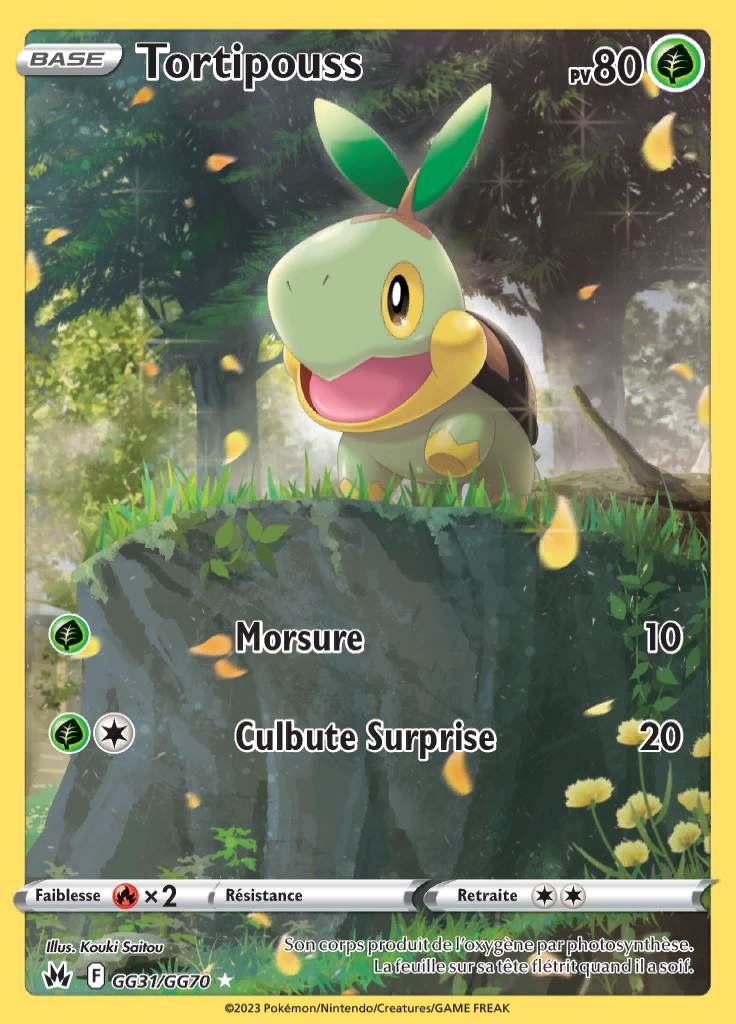
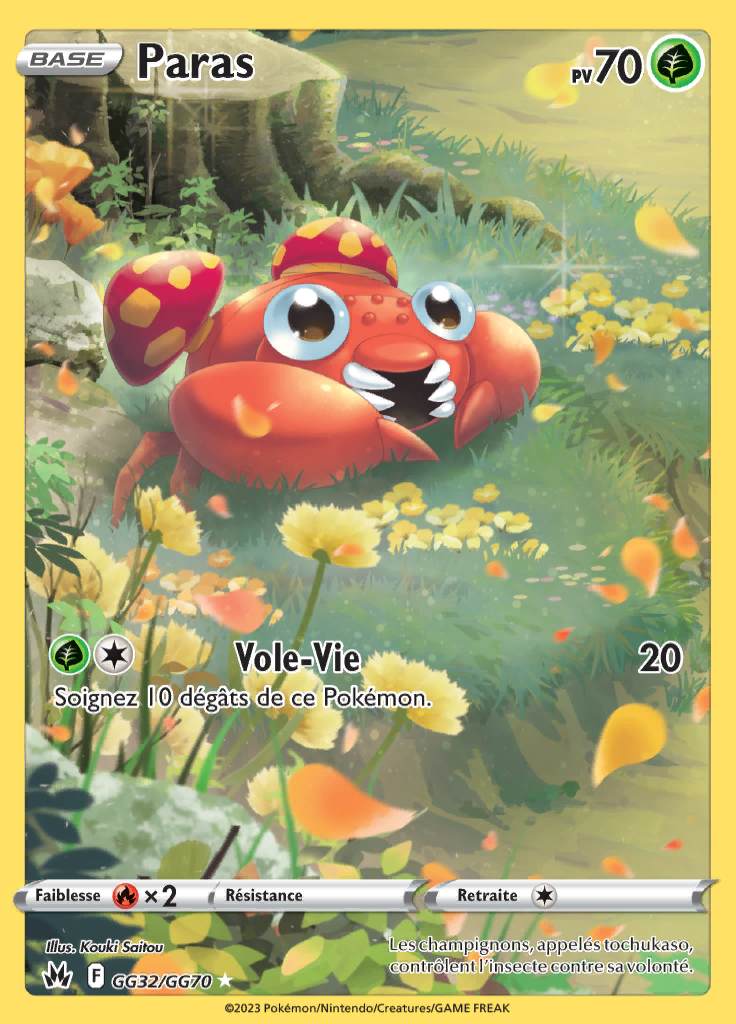
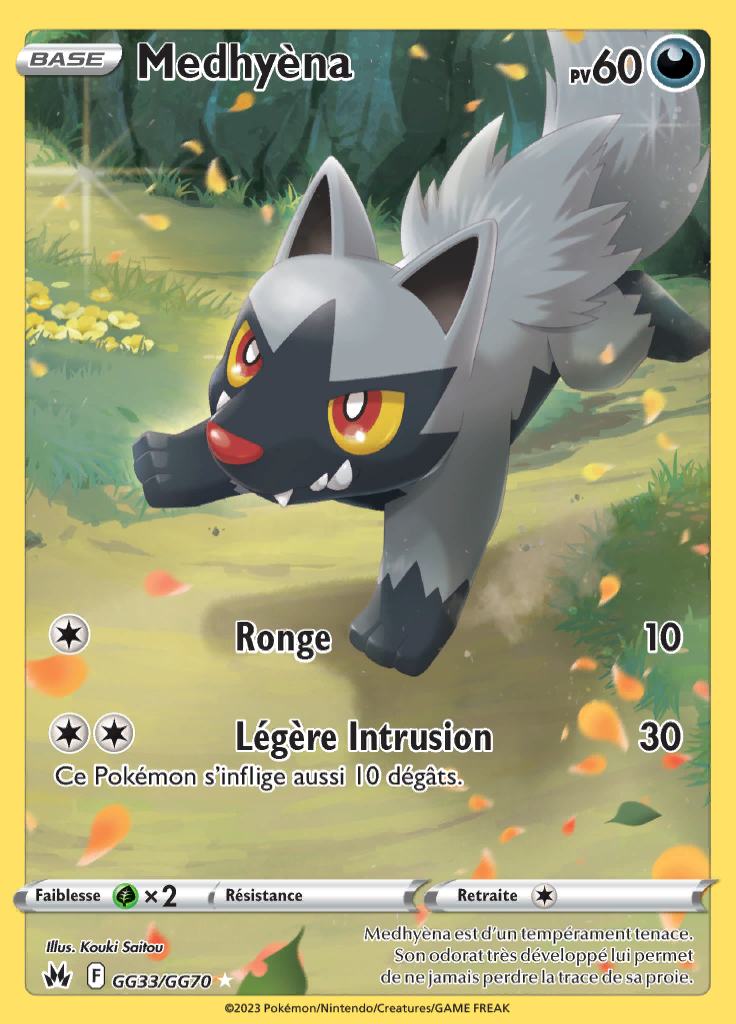
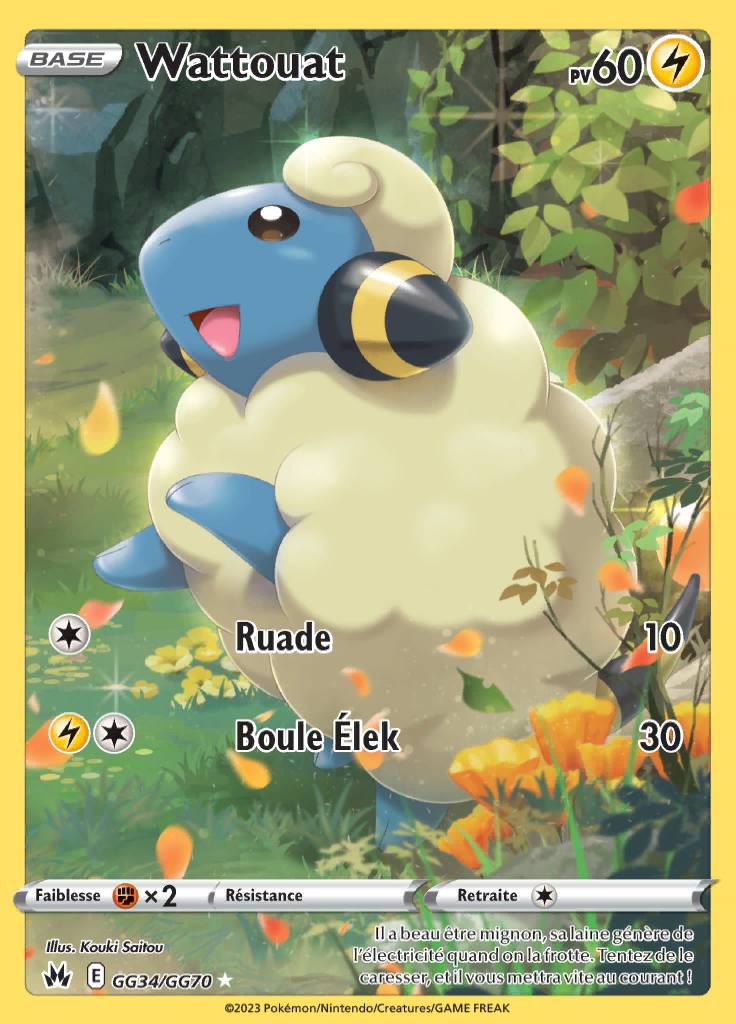
Riolu, Swablu and Duskull occupy the first row here. Bidoof, Pikachu and Turtwig follow, then Paras, Poochyena and Mareep. Branches, rocks and leaves guide the eye between cards. The landscape connects Pokémon from different evolution families.
Frames, text and game symbols remain on every card. The group should not be confused with an uninterrupted, borderless image. The Crown Zenith card list also includes the other Galarian Gallery references.
Finding the right references without mixing versions
| Collection | French references | Number of cards |
|---|---|---|
| Bulbasaur's evolution family | 166/165 · 167/165 · 198/165 | 3 |
| Squirtle's evolution family | 170/165 · 171/165 · 200/165 | 3 |
| Crown Zenith landscape | GG26/GG70 to GG34/GG70 | 9 |
The full number matters more than the name alone. Another Blastoise ex may depict the same Pokémon in different artwork. The GG prefix is part of the identification; removing it leads to a different main-set card.
Language and condition can follow the collection's purpose but must be specified before purchase. A visual collection may accept light wear if it matches the chosen criteria. A coherent layout does not automatically require the highest grading score.
Arranging cards to retain the visual sequence
A nine-pocket binder page suits the Crown Zenith group. Each three-card evolution family can occupy one row. Protective sleeves and a suitable binder reduce rubbing; overly tight storage can put pressure on cards.
Enlargement opens the full images. On phones, cards form one column for readability. The gallery of Rayquaza and cards depicting it follows another collecting theme: the character and its appearances in artwork. The detail of Gyarados on Magikarp 203/193 also shows the value of examining backgrounds beyond the Pokémon named at the top.