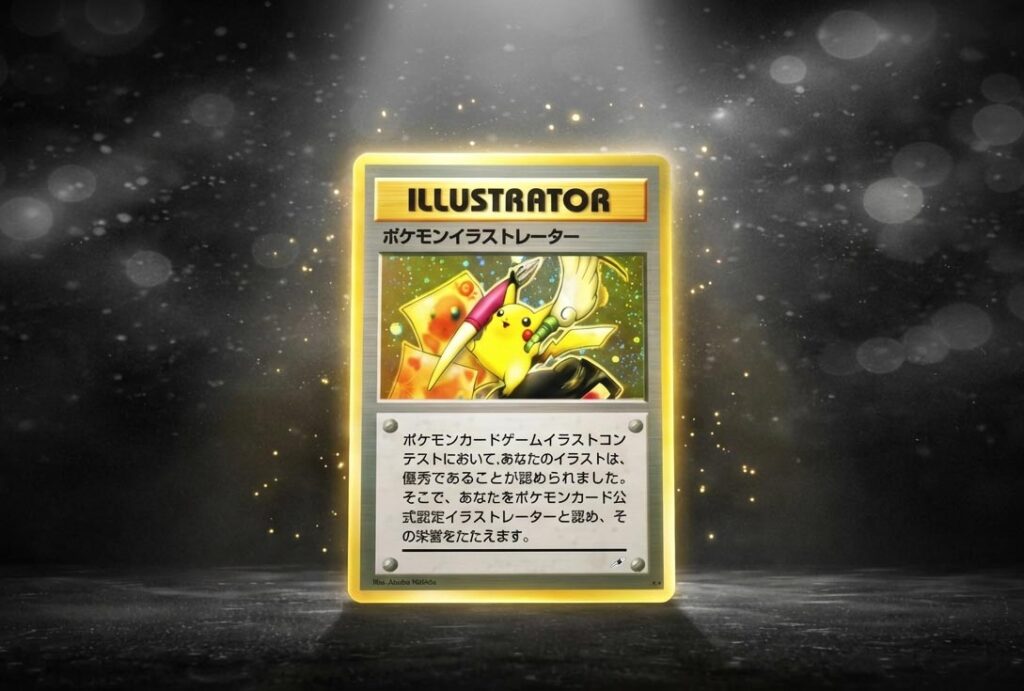
Pokémon-card transaction values rose substantially from the late 2010s. A small number of specialised cards exceeded US$1 million. One of the leading examples is Pikachu Illustrator, a promotional card distributed in Japan in the late 1990s through an illustration competition organised by CoroCoro magazine. A PSA 10 copy changed hands privately in 2021 in a transaction valued above US$5 million, widely used as a historical reference.
Pikachu Illustrator: a transaction above US$5 million
Pikachu Illustrator was never sold in ordinary shops. It was awarded to a small number of competition winners in 1997 and 1998, with approximately forty copies thought to have been distributed initially.
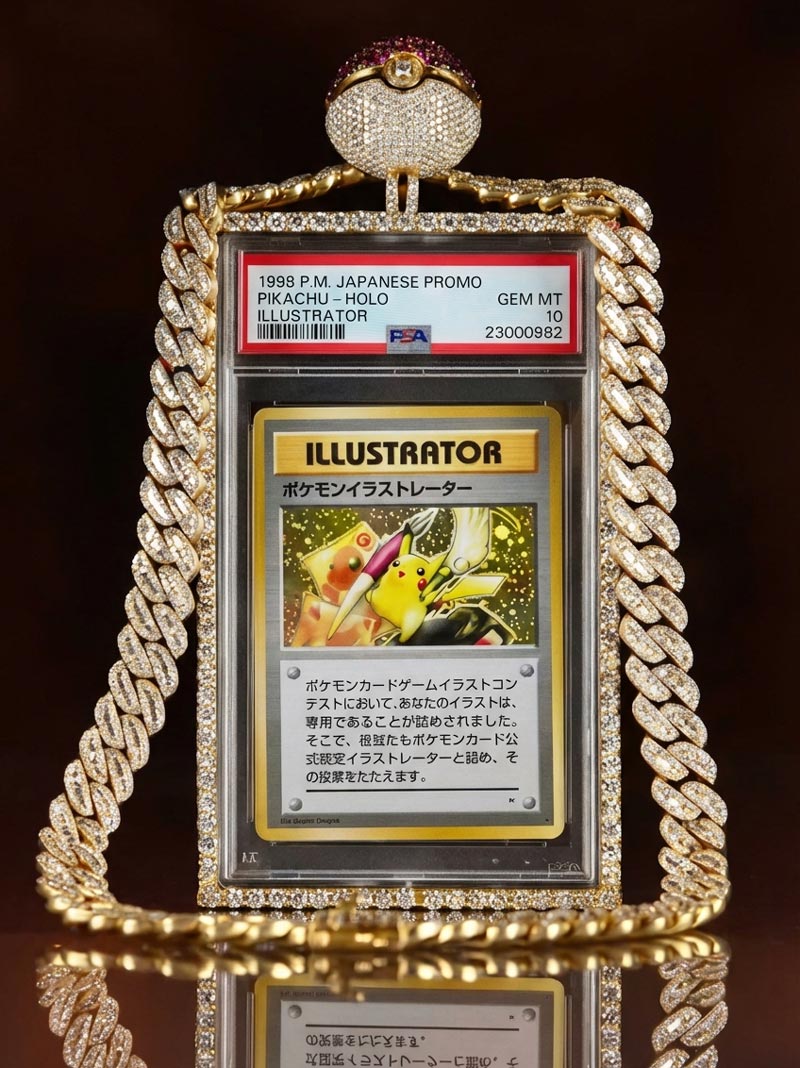
In February 2026, the article reports a Pikachu Illustrator sale totalling US$16.492 million through Goldin, with Guinness World Records present to recognise the result. This later auction is distinct from the 2021 private transaction described below.
The historical transaction involved a copy graded PSA 10, the Gem Mint grade on the scale used by Professional Sports Authenticator.
The reported transaction value exceeded US$5,000,000. This was a private agreement reportedly combining cash with another copy of the same card at a lower grade.
Japanese text on the card
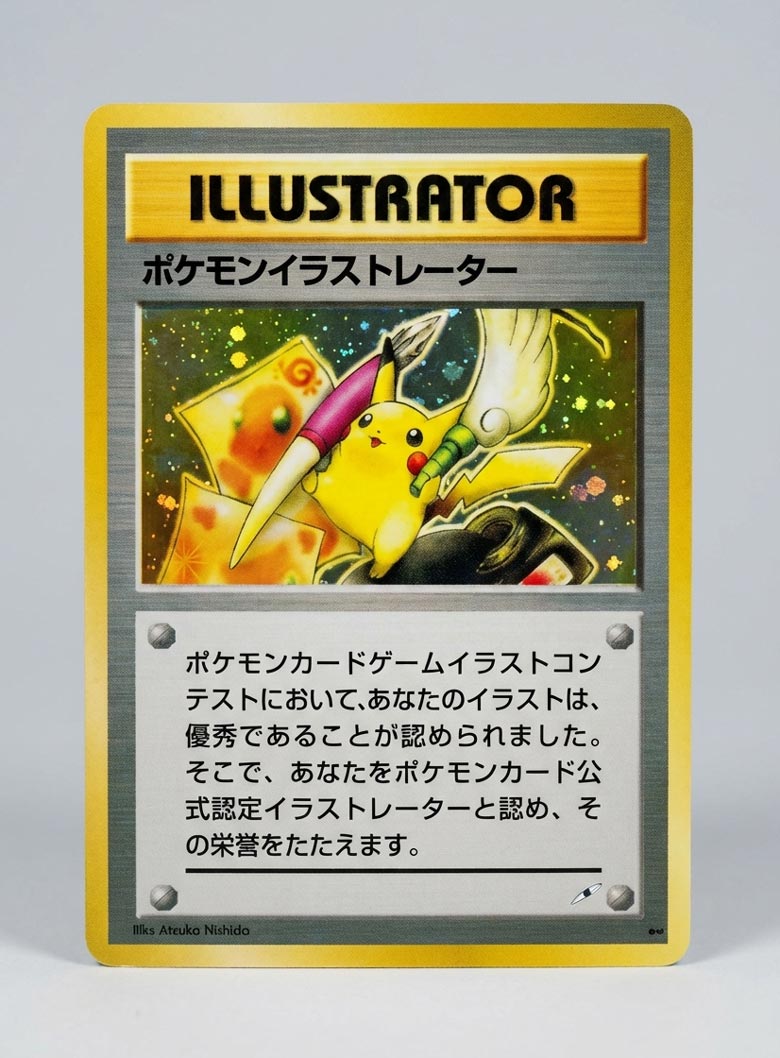
ポケモンイラストレーター
Pokémon Illustrator
ポケモンカードゲームイラストコンテストにおいて
あなたのイラストは、
優秀であることが認められました。
そこで、あなたをポケモンカード公式認定イラストレーターと認め、その
栄誉をたたえます。
The card recognises the recipient's outstanding entry in the Pokémon Card Game illustration contest and acknowledges that person as an officially certified Pokémon Card Illustrator,
with the corresponding honour.
CoroCoro magazine and the competition
CoroCoro Comic is a Japanese monthly launched by Shogakukan in 1977. Aimed primarily at children and teenagers, it helped popularise franchises including Pokémon, Doraemon and Beyblade.
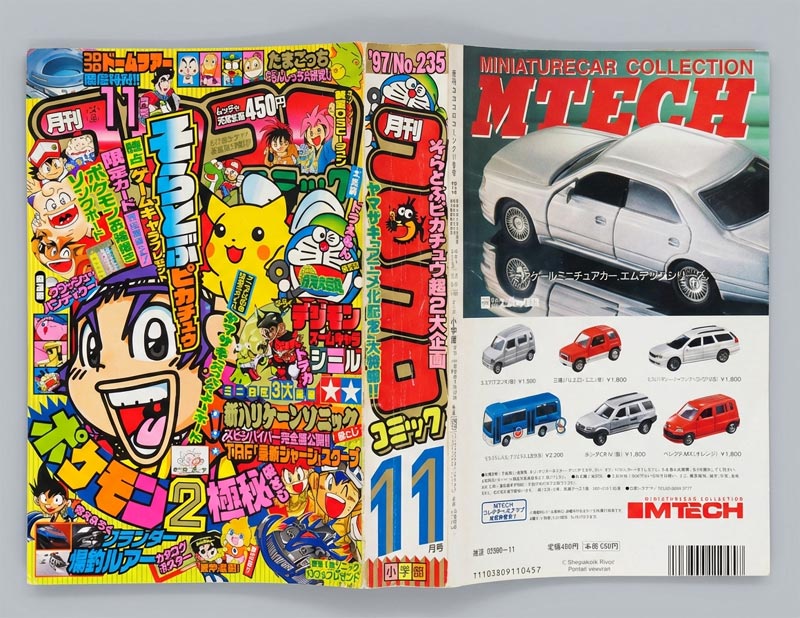
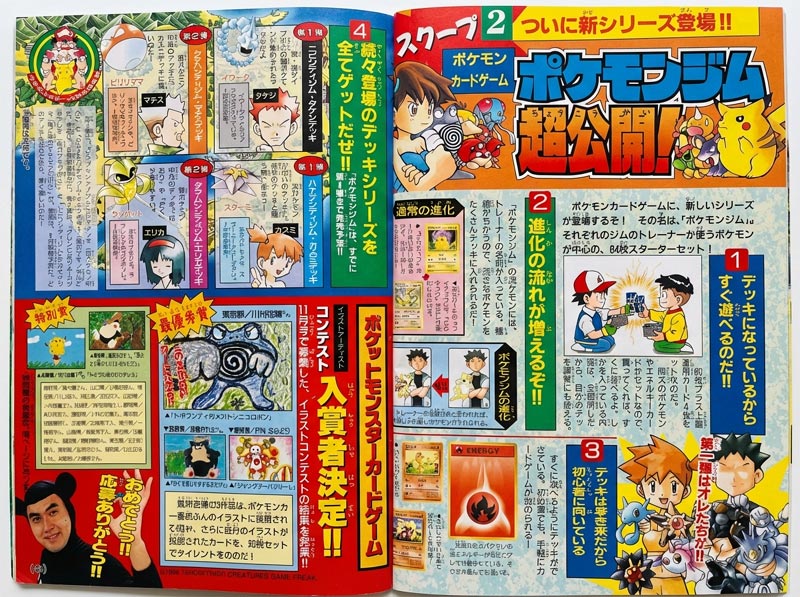
In the late 1990s, CoroCoro supported the Pokémon TCG by running illustration contests whose winners received Pikachu Illustrator.
Examining the card's artwork
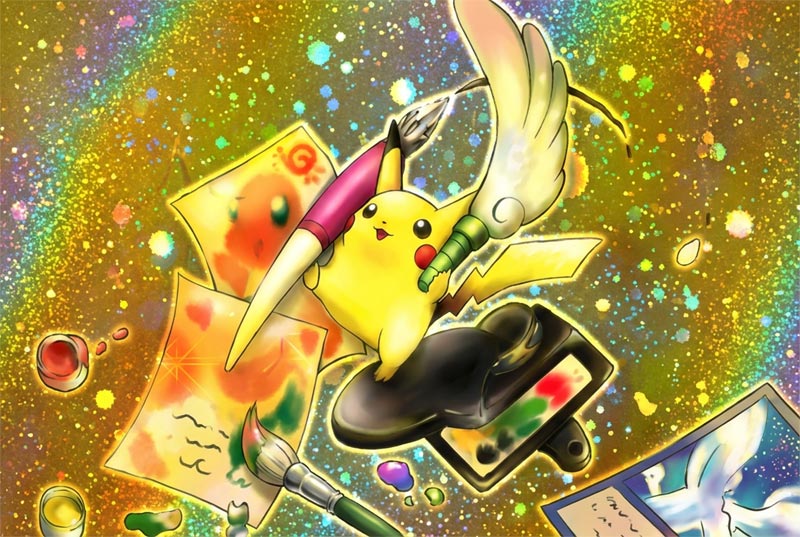
The illustration places Pikachu in a diagonal composition, moving towards the foreground. Bright colouring separates the character from the background, and its posture suggests an action in progress.
Pikachu holds drawing equipment, including a prominent pink paintbrush . Other elements reinforce the illustration theme rather than a battle scene.
A dark shape resembling a calligraphy pen nib supports the composition. It contrasts with the coloured areas and helps balance the apparently floating scene.
The detailed background uses multicoloured paint splashesand scattered particles, dominated by gold and yellow. Green, blue and red accents create a paint-splatter texture.
Several objects appear suspended around Pikachu: sheets of paper with coloured marks, paint droplets and paintbrushes. These details reinforce the art theme and suggest continuous movement.
The palette contrasts Pikachu's bright yellow with a luminous background. Clear outlines and shadows keep the character readable despite the densely filled scene.
Ten high-priced Pokémon cards
Other high-priced Pokémon cards
While Pikachu Illustrator leads the selection, other cards also reach high prices, particularly in PSA 10.
Among them is first-edition Base Set Charizard from 1999 (the English edition published by Wizards of the Coast). Some PSA 10 copies are associated with very high public-sale results. Its total graded population is larger than that of competition cards, although top-grade copies remain a small subset.
Other trophy cards were distributed at Japanese tournaments in the late 1990s:
- No. 1 Trainer
- No. 2 Trainer
- No. 3 Trainer
- Tropical Mega Battle cards
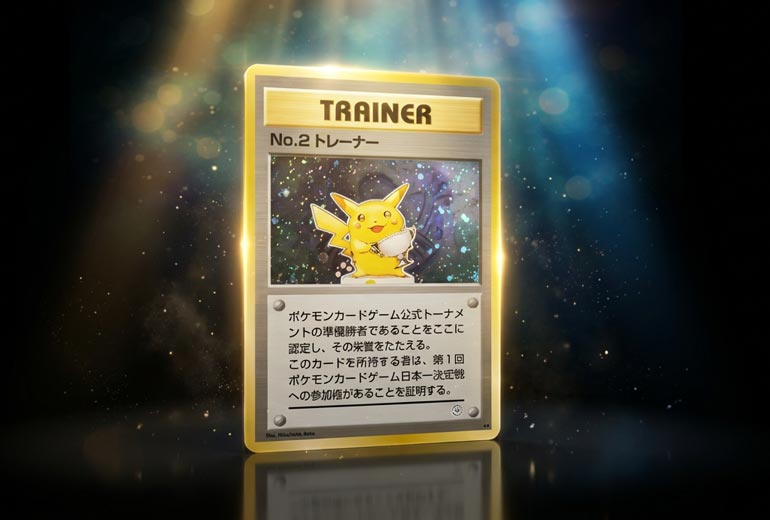
No.2 トレーナー
No. 2 Trainer
ポケモンカードゲーム公式トーナメントの準優勝者であることをここに認定し、その栄誉をたたえる。
このカードを所有する者は、第1回ポケモンカードゲーム日本一決定戦への参加権があることを証明する。
The card certifies its recipient as runner-up in an official Pokémon Card Game tournament and grants its holder entry to the first Japanese national final.
These cards were not sold to the general public. They were awarded to leading players at official events. Their limited distribution can support high prices, with the article citing results above US$200,000–400,000 depending on condition and provenance.
Snap Pikachu
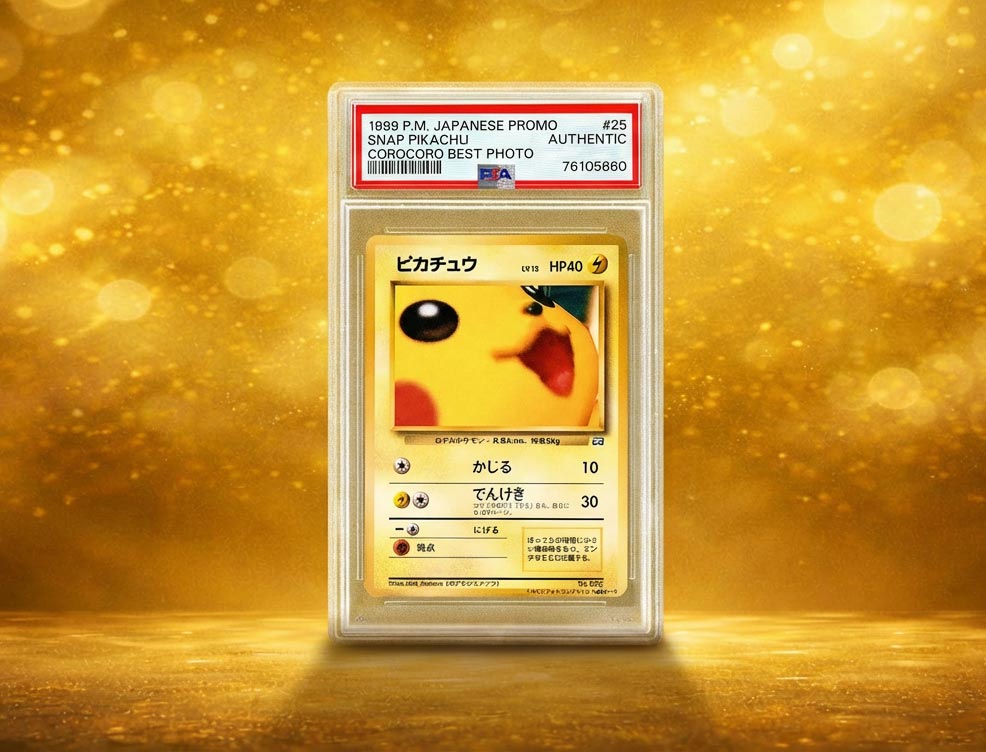
Distributed through the same competition as Snap Magikarp and Snap Gyarados, it has very limited circulation and was poorly documented for many years.
A copy reappeared on the market in 2023, attracting specialist attention. It was acquired in Japan by collector Dubsy for a reported amount near US$270,000.
Blue-back Topsun Charizard
This early Topsun printing is distinguished by its blue reverse, separating it from other printings.
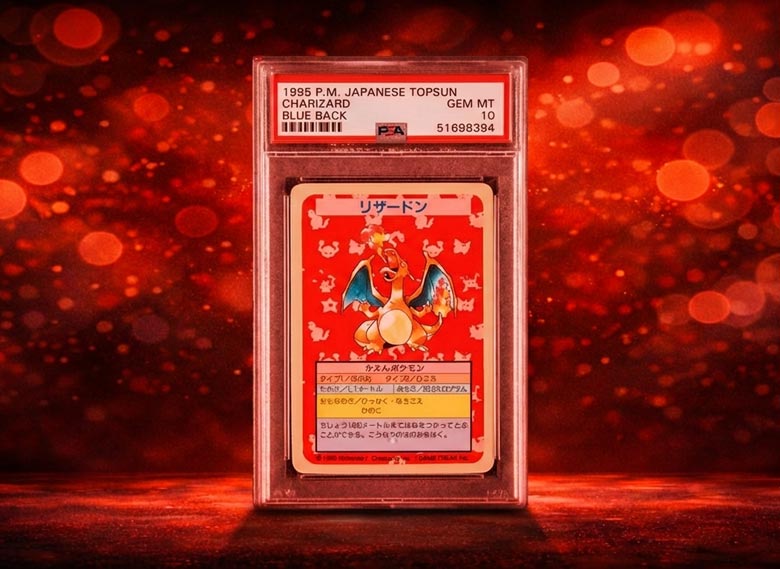
A top-grade copy achieved a high auction result during the 2021 market rise. Several factors contributed: the age of the printing and few copies preserved in top condition alongside interest in early Charizard designs.
Tsunekazu Ishihara GX promotional card (2017)
Produced for Tsunekazu Ishihara's 60th birthday in 2017, this GX card was not sold to the public. The limited-distribution promotional card rarely appears on the secondary market.
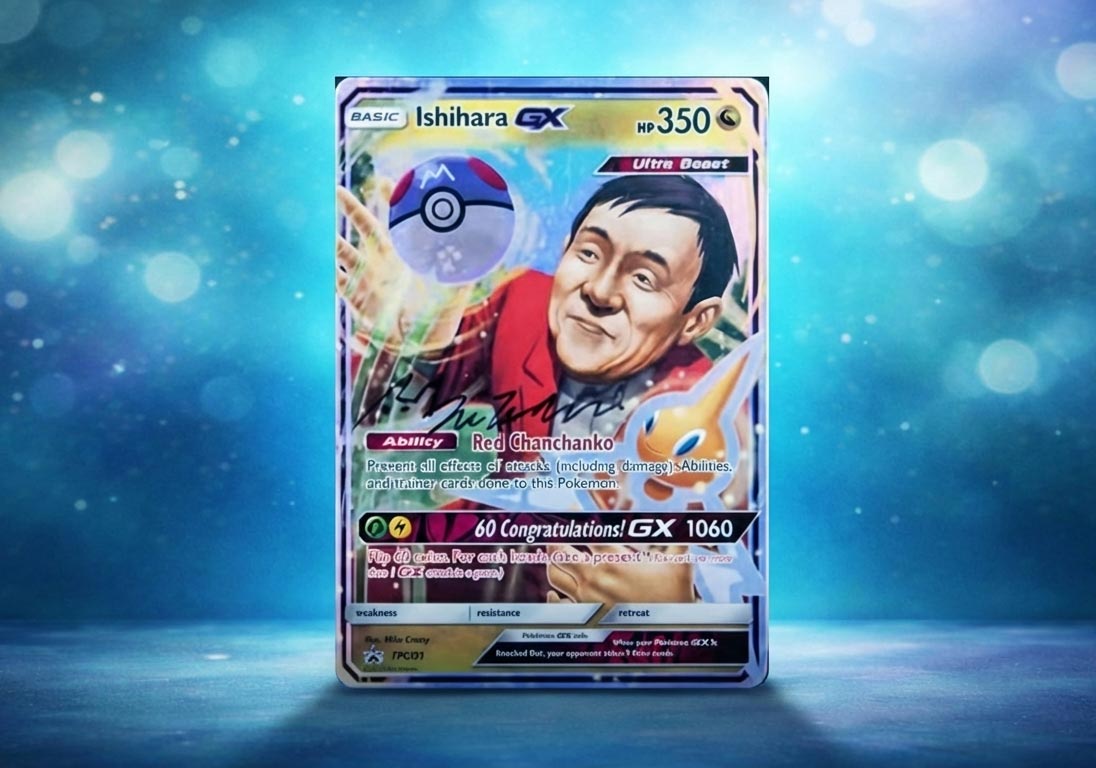
The card was distributed to company employees. The precise print quantity has not been announced. The population figures cited in the article record approximately ten PSA and twelve CGC examples; those figures are dated observations rather than a permanent total.
Comparison of selected historical sales
| Town Map | Year / transaction type | Indicative amount |
|---|---|---|
| Pikachu Illustrator (PSA 10) | Japanese contest, 1997–1998 / private transaction, 2021 | Approximately US$5,275,000 |
| Pikachu Illustrator (PSA 9) | Public auction, 2023 | Approximately US$2,000,000 |
| First-edition Base Set Charizard (PSA 10) | 1999 / public auction | Approximately US$550,000 |
| Topsun Charizard (PSA 10) | Labelled 1995 / auction | Approximately US$493,000 |
| No. 1 Trainer trophy card | Japanese tournament, 1998 | Approximately US$450,000 |
Why some cards reach these amounts
A card's age alone does not determine its value. Several factors interact.
1. Initial distribution
A competition card distributed in only thirty or forty copies starts with a limited supply. A later reprint would be a different printing.
2. Condition and grading
PSA uses grades from 1 to 10. For some references, a PSA 10 can sell for several times a PSA 9, with small condition differences contributing to the gap.
3. International demand
Buyers across Europe, Asia, North America and other regions compete for the same scarce references.
4. Public attention
Social media and public figures can draw attention to particular sales and temporarily increase interest in a card.
Private transactions and public auctions
The 2021 Pikachu Illustrator transaction was negotiated privately. Its reported amount came from an agreement between the parties rather than a public auction hammer price.
A public auction generally involves:
- an opening amount
- successive bids
- a final hammer price
- a buyer's premium
Fees of 20–25% can turn a US$400,000 hammer price into a total above US$480,000. The applicable premium must be checked for each sale.
Grading and price formation
Condition certification influences this market. An ungraded copy may sell for substantially less than a PSA 9 or PSA 10, depending on its actual condition and reference.
Common grading services include:
- PSA (Professional Sports Authenticator)
- CGC Cards
Fees vary by service level and declared value. High-value cards can incur substantial grading charges, particularly with priority handling and insurance.
Population reports record how many submissions received each grade. A small top-grade population can affect supply, but needs interpretation alongside demand and submission patterns.
Counterfeit risks and checks
High transaction values increase the need to check for:
- printed counterfeits
- fake grading holders
- copied labels
- missing provenance documents
High-value purchases generally require:
- certification-number verification
- detailed high-resolution photographs
- previous-sale and ownership records
- documented transaction terms
Transport also needs suitable packaging and insurance appropriate to the declared value.
Market changes since 2020
Prices rose rapidly in 2020–2022 amid growing adult participation, video-platform exposure and interest in alternative collectibles.
From 2023, the market became more selective. Scarce, high-grade cards continued to attract strong interest while more common references experienced price adjustments.
The most expensive cards therefore represent a narrow combination of:
- limited initial distribution
- a top grade
- substantial public attention
- a buyer willing and able to pay a high amount
Very few cards share all these conditions. Most older cards trade far below headline records, even when collectors seek them.
What a record sale represents
Pikachu Illustrator's sale values do not describe the average Pokémon-card market. They reflect a narrow segment that can reach amounts comparable to other high-value collectibles.
A record requires several conditions at once: limited supply, strong preservation, recognised certification and a willing buyer in a particular market context.
Transactions above US$1 million remain uncommon. Most activity concerns much lower amounts, from modest purchases to several thousand euros, with some scarce references trading higher.
Pikachu Illustrator sits alongside other Japanese promotional and trophy cards at the top of this specialised market. First-edition Base Set Charizard also features in major public sales, but belongs to a different printing and supply category.