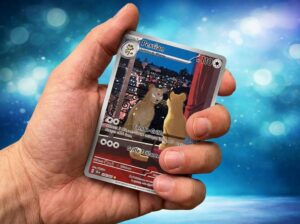


Asking price, payment received and result: three different figures
A €150 listing is not a €150 sale. Negotiation may lower the price, while shipping paid by the buyer increases the order total without automatically becoming profit. The payout may already include deductions. A reliable calculation starts with transaction details and counts every cost once.
The card's purchase cost includes the price paid, inbound shipping and directly related acquisition fees. If it was graded, certification and its share of submission shipping also belong in the record. An omitted expense still affects the economic result.
Columns for a sales register
| Field | Data retained | Reason |
|---|---|---|
| Reference | Name, number, language, condition or grade | Compare the correct item. |
| Acquisition | Price and inbound costs | Calculate the starting cost. |
| Listing | Initial asking price and publication date | Measure negotiation and time to sale. |
| Transaction | Final price and payment date | Separate expectations from completed sales. |
| Selling fees | Amounts actually charged | Avoid an unsuitable generic rate. |
| Expedition Base Set | Shipping collected, postage and packaging | Separate receipts from expenditure. |
| Adjustments | Refund, return or credit | Correct the final result. |
Supporting records can include the purchase invoice, platform statement and shipping receipt. Any published example should hide buyers' names, addresses, contact details and order numbers. An internal reference such as Sale A is sufficient to connect calculation rows.
Three hypothetical sales to explain the differences
The following table is an educational simulation. It does not describe a TCG Insight sale or reproduce a particular platform's fees. Purchase cost includes inbound shipping; ‘other costs’ should be zero only when grading, protection and other expenses genuinely do not apply.
| Data | Sale A | Sale B | Sale C |
|---|---|---|---|
| Total acquisition cost | 80 € | 120 € | 40 € |
| Initial asking price | 130 € | 180 € | 75 € |
| Final sale price | 115 € | 135 € | 60 € |
| Shipping collected | 5 € | 5 € | 4 € |
| Selling fees | 0 € | 12 € | 3 € |
| Postage and packaging | 6 € | 7 € | 5 € |
| Other costs | 0 € | 35 € | 0 € |
| Result before tax and overheads | 34 € | −€34 | 16 € |
| Hypothetical time from listing to payment | 12 days | 95 days | 28 days |
Sale A produces 115 + 5 − 80 − 0 − 6 = €34. Sale B appears to exceed its purchase price, but €35 of other costs and shipping charges bring the result to −€34. The sale amount alone is therefore insufficient to assess the transaction.
A calculator for one transaction
Fees depend on the account and service
The eBay's fee documentation distinguishes several types of charges and describes fee-free transactions for certain eligible private sellers. Optional services and particular circumstances may change the total. The order statement is preferable to automatically applying an assumed percentage.
A payout already reduced by commissions should not have those commissions deducted again. The calculation can start with the gross amount and all expenses, or the net payout and only remaining expenses. Mixing the methods artificially lowers the result.
Tracking time and unsold cards too
Time to sale is measured from listing publication to payment using the same convention for every entry. Photography, preparation and travel time are not automatically costed in the calculator. A professional record may include them in overheads using a method suited to the business.
Unsold cards remain in the register with their acquisition cost and entry date. An estimated resale value is not money received. The collection management guide helps preserve that distinction; prices in the boutique are asking prices, not a record of completed transactions.